Choosing a system type comes down to two questions: when do you use electricity, and how much do power cuts cost you? Get those right and the rest of the design follows.
On-grid systems
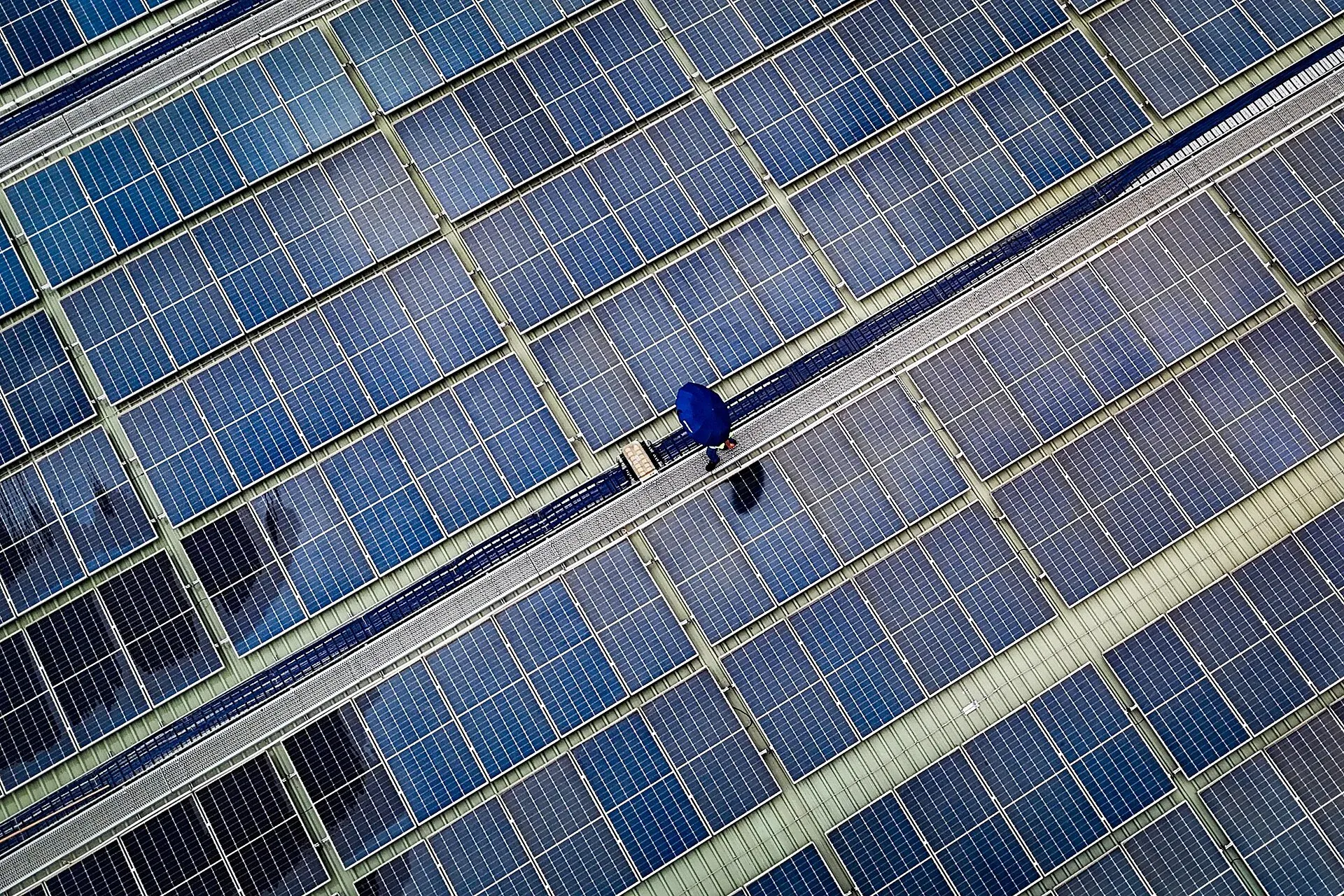
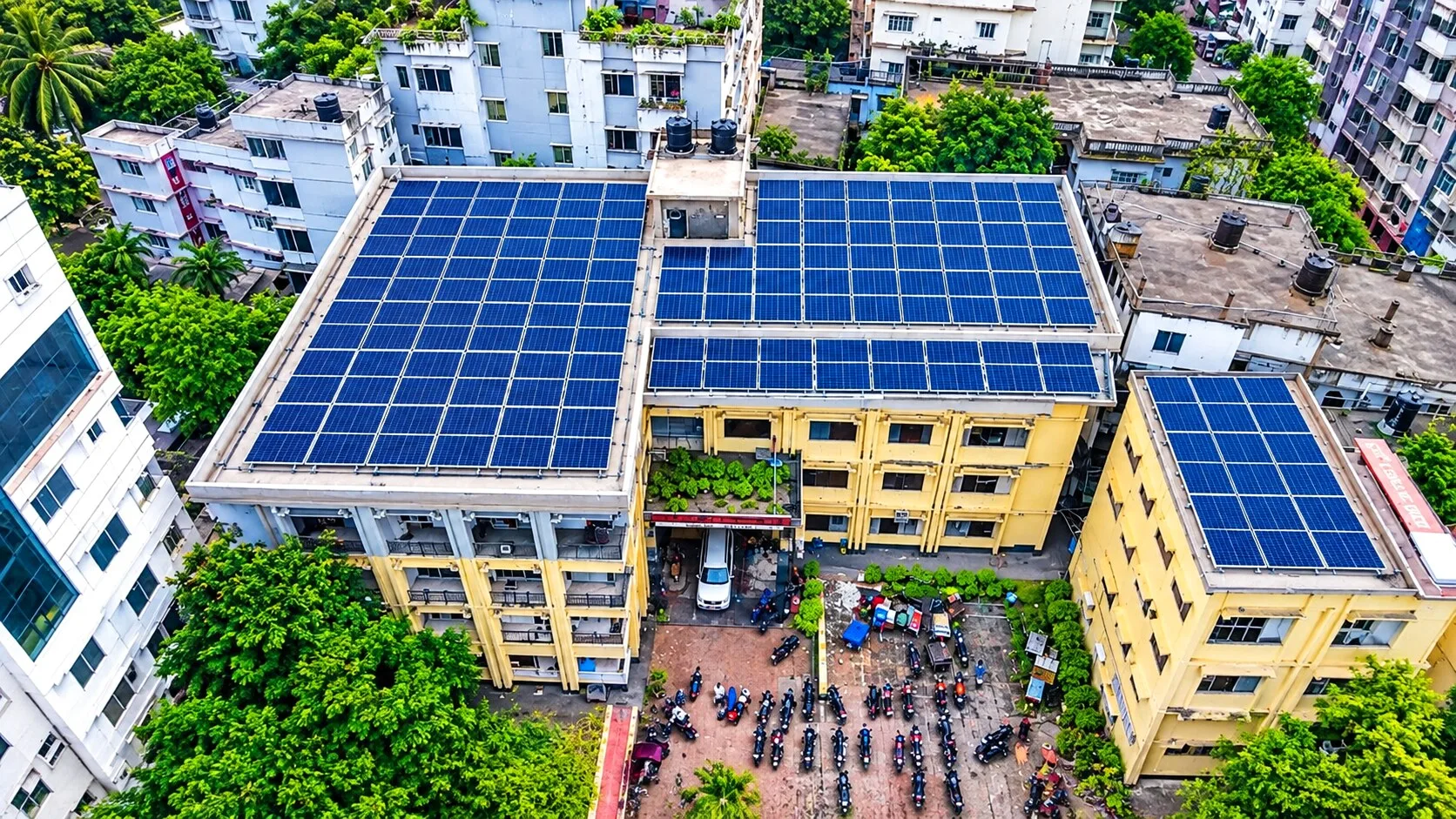
An on-grid system has panels and a grid-tied inverter, and no battery. It gives the lowest cost per unit generated and the fastest payback.
It shuts down automatically when the grid fails, which is a safety requirement to protect line workers.
- Best for: factories, offices and schools that use most of their power in daylight
- Typical cost: ৳55,000 to ৳70,000 per kW installed
- Payback: 4 to 6 years
Hybrid systems
A hybrid system adds a battery and a hybrid inverter. During the day solar powers your loads and charges the battery. When the grid fails, essential circuits switch to the battery in under 20 milliseconds.
- Best for: homes, clinics, offices and anywhere outages are costly
- Typical cost: ৳95,000 to ৳120,000 per kW with a few hours of storage
- Payback: 6 to 9 years, plus the value of avoided outages
Off-grid systems
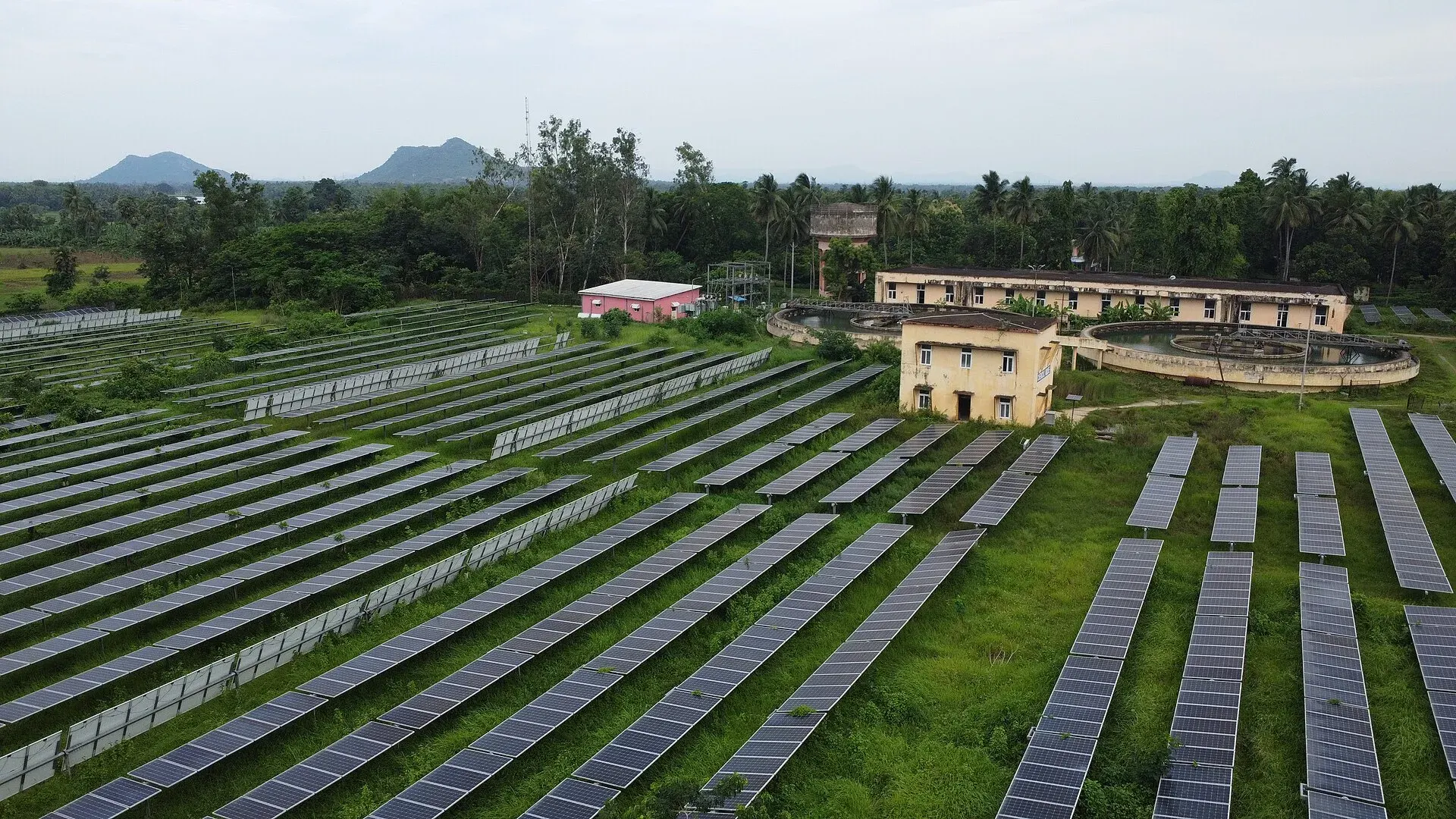
An off-grid system runs only on solar and batteries, with no utility connection. It needs a larger battery bank and careful load management.
- Best for: remote sites, char areas, telecom towers and irrigation pumps
| On-grid | Hybrid | Off-grid | |
|---|---|---|---|
| Battery | No | Yes | Yes, large |
| Works in outage | No | Yes | Yes |
| Net metering | Yes | Yes | No |
| Cost per kW | Lowest | Medium | Highest |
Tip: If you are unsure, buy a hybrid-ready inverter and start on-grid. You can add a battery later without replacing the inverter.
Share this article